
Gloves are versatile accessories designed to cover and protect the hands from various elements and hazards. They come in many different styles, materials, and functionalities to suit different needs and activities. Here is a comprehensive overview of gloves:
Types of Gloves:
Winter Gloves: Designed to keep hands warm in cold weather. Often made from insulating materials like wool, fleece, or synthetic fabrics. Some may include waterproof features.
Work Gloves: Durable gloves used in construction, gardening, and other manual labor tasks. Made from tough materials like leather, rubber, or heavy-duty synthetics to protect against abrasions and injuries.
Medical Gloves: Disposable gloves used in healthcare settings to maintain hygiene and prevent cross-contamination. Typically made from latex, nitrile, or vinyl.
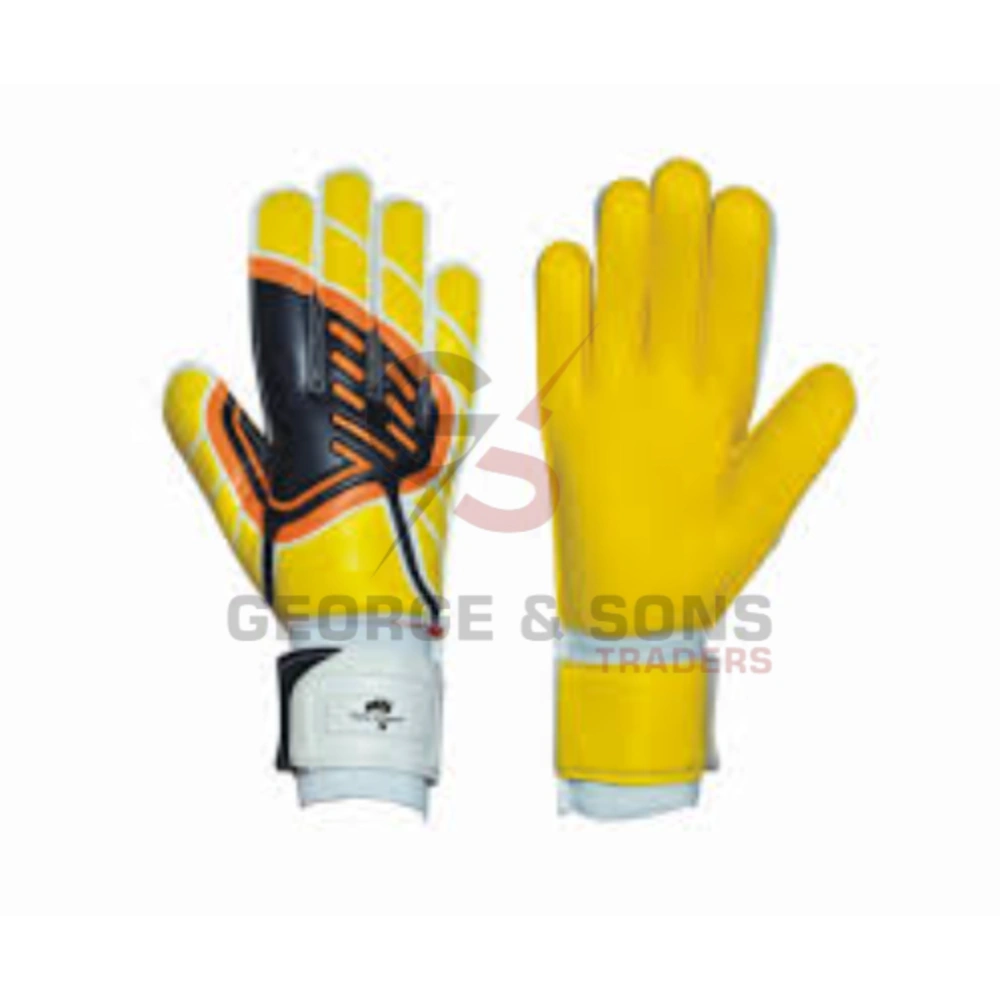
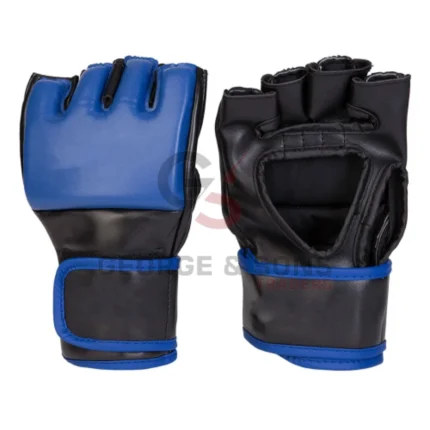
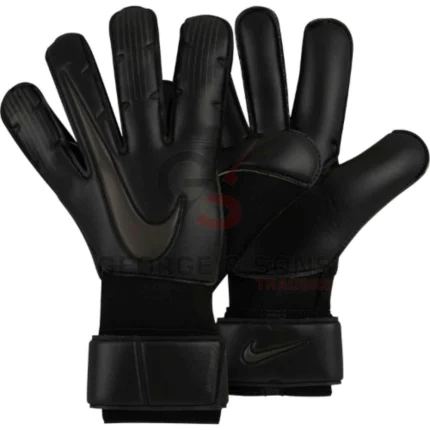
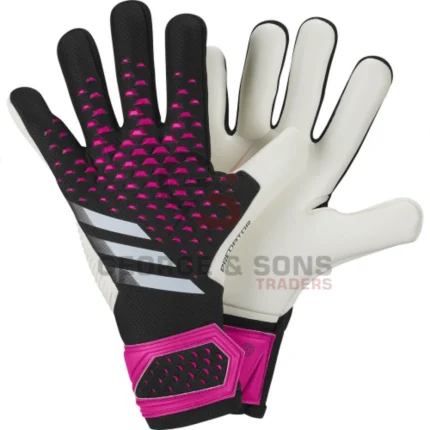
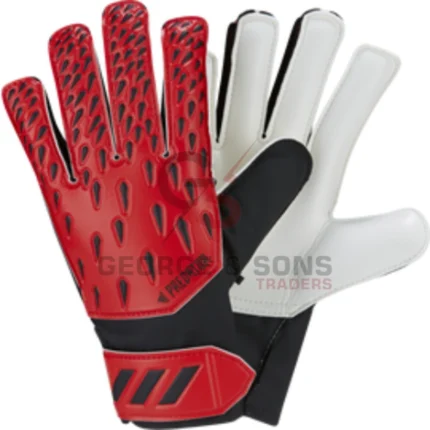
Sports Gloves: Includes gloves for various sports like cycling, golfing, baseball, and football. They are designed to enhance grip, protect hands, and improve performance.
Driving Gloves: Typically made from leather, these gloves provide better grip on the steering wheel and are often used in motorsports.
Tactical Gloves: Used by military and law enforcement, these gloves offer protection, dexterity, and durability. Often feature reinforced knuckles and touch-screen compatible fingertips.
Fashion Gloves: Worn as accessories to complement outfits, these gloves are made from various materials, including leather, satin, and lace, and are often designed with aesthetics in mind.
Materials:
Leather: Offers durability, flexibility, and protection. Commonly used for fashion, driving, and work gloves.
Wool: Provides excellent insulation and warmth, ideal for winter gloves.
Cotton: Lightweight and breathable, used for casual and some work gloves.
Synthetic Fabrics: Includes materials like polyester, nylon, and spandex. These are often used in sports and winter gloves for their flexibility and moisture-wicking properties.
Rubber and Latex: Commonly used in medical and industrial gloves for their protective and waterproof qualities.
Kevlar and Other Reinforced Materials: Used in tactical and work gloves for added protection against cuts and abrasions.
Features:
Insulation: Many gloves designed for cold weather include insulation materials like Thinsulate or fleece to retain heat.
Waterproofing: Some gloves have waterproof coatings or membranes, such as Gore-Tex, to keep hands dry in wet conditions.
Grip Enhancements: Sports and work gloves often have textured palms or additional grip materials to prevent slipping.
Touchscreen Compatibility: Modern gloves may include conductive materials on the fingertips, allowing the wearer to use touchscreen devices without removing the gloves.
Reinforcements: Extra padding or protective layers on the palms, knuckles, or fingers for added durability and protection.
Fit and Comfort:
Sizing: Gloves come in various sizes to ensure a snug and comfortable fit, which is crucial for both functionality and comfort.
Adjustable Closures: Many gloves feature adjustable straps, elastic bands, or Velcro closures to secure the fit and prevent slipping.
Ergonomic Design: Gloves are often designed to follow the natural contours of the hand, providing better comfort and reducing hand fatigue.
Uses and Applications:
Cold Weather Protection: Winter gloves for outdoor activities like skiing, snowboarding, and hiking.
Occupational Safety: Work gloves for construction, landscaping, and industrial tasks to protect against injuries.
Hygiene and Safety: Medical and food service gloves to maintain hygiene and prevent contamination.
Sports and Recreation: Gloves for activities like cycling, weightlifting, and golf to enhance performance and protect hands.
Fashion and Style: Gloves used as fashion accessories to complete an outfit or for ceremonial purposes.


Reviews
There are no reviews yet.