
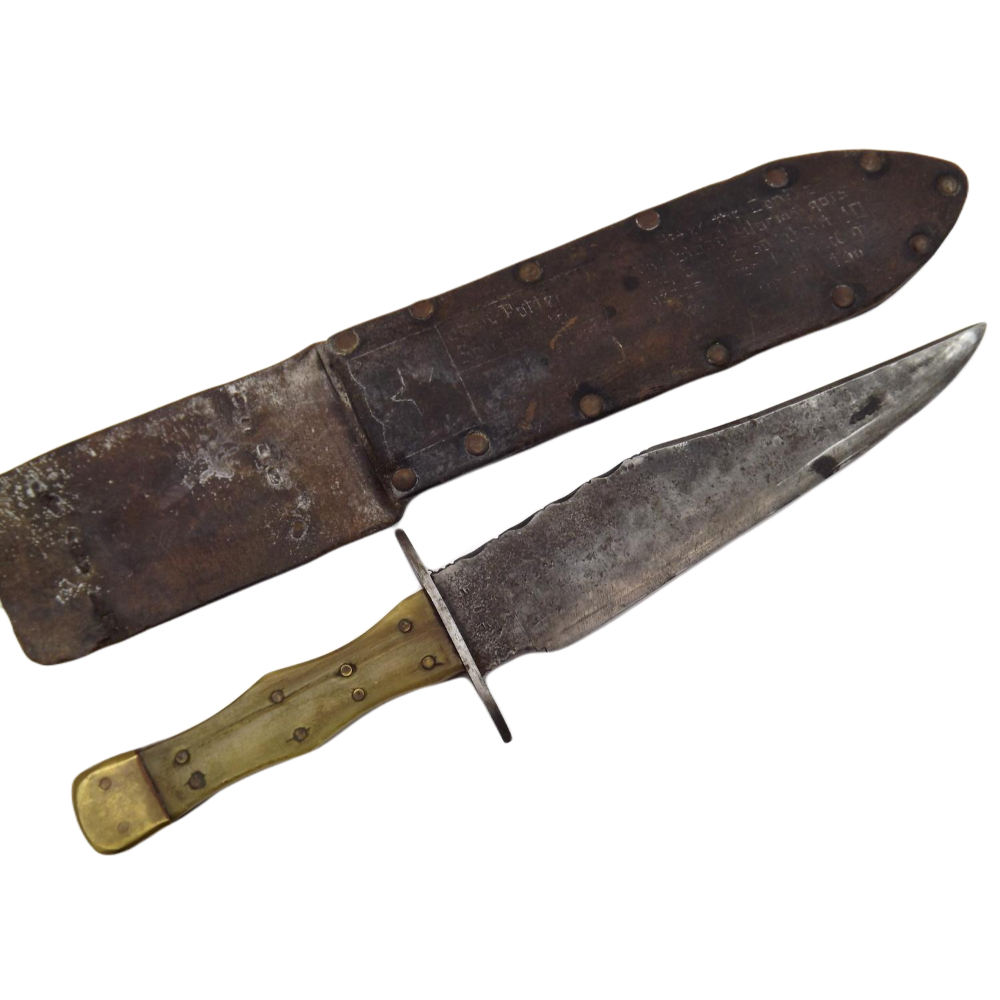
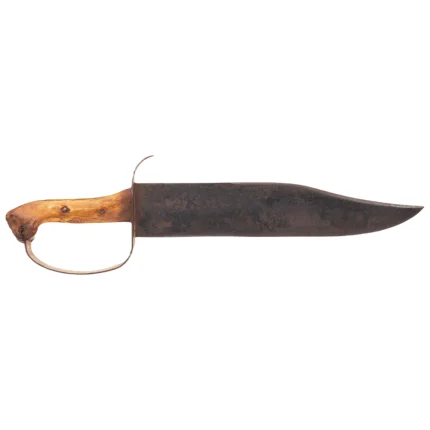
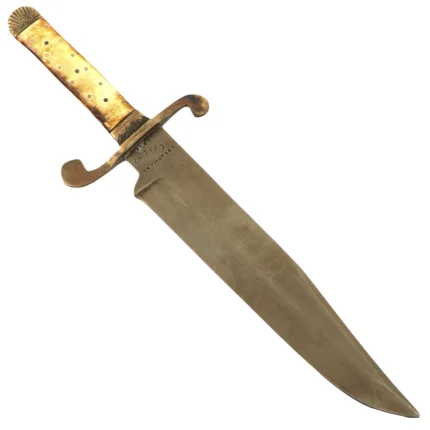
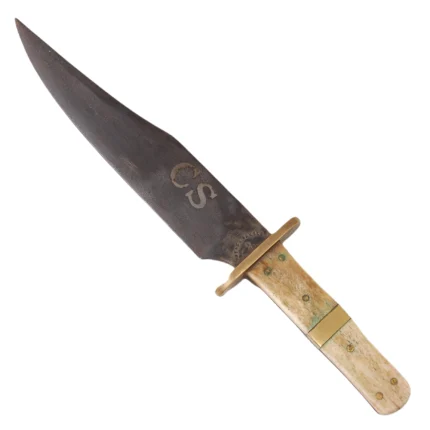
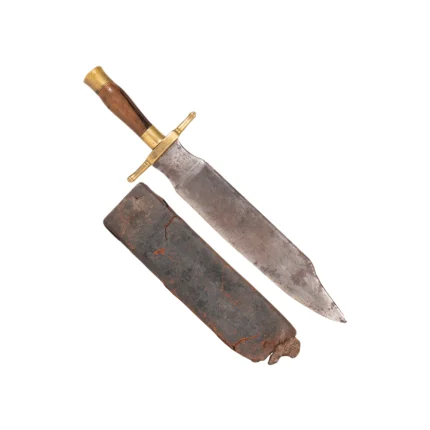
During the Civil War, daggers were not as commonly used as swords or bayonets, but they still held significance, especially for certain groups of soldiers. Here?s an overview:
Personal Defense: While infantry soldiers were primarily armed with rifles and bayonets, some carried daggers or short knives for personal defense. These weapons were often tucked into belts or carried in sheaths for easy access in close combat situations where firearms were impractical or unavailable.
Cavalry: Cavalry soldiers occasionally used daggers as secondary weapons, particularly for situations that required swift and silent action, such as reconnaissance missions, skirmishes, or raids. A dagger could be more maneuverable than a sword in close quarters or when dismounted from a horse.
Officers: Officers, particularly those serving in the infantry or artillery, sometimes carried daggers as a symbol of their rank and authority. These daggers were often ornate and ceremonial, intended more for display than practical use on the battlefield. However, they could serve as a last resort in hand-to-hand combat.
Special Forces: In certain special units or irregular formations, soldiers might have employed daggers for covert operations, sabotage, or assassinations. These units operated behind enemy lines and required weapons that were lightweight, concealable, and lethal at close range.


Reviews
There are no reviews yet.