
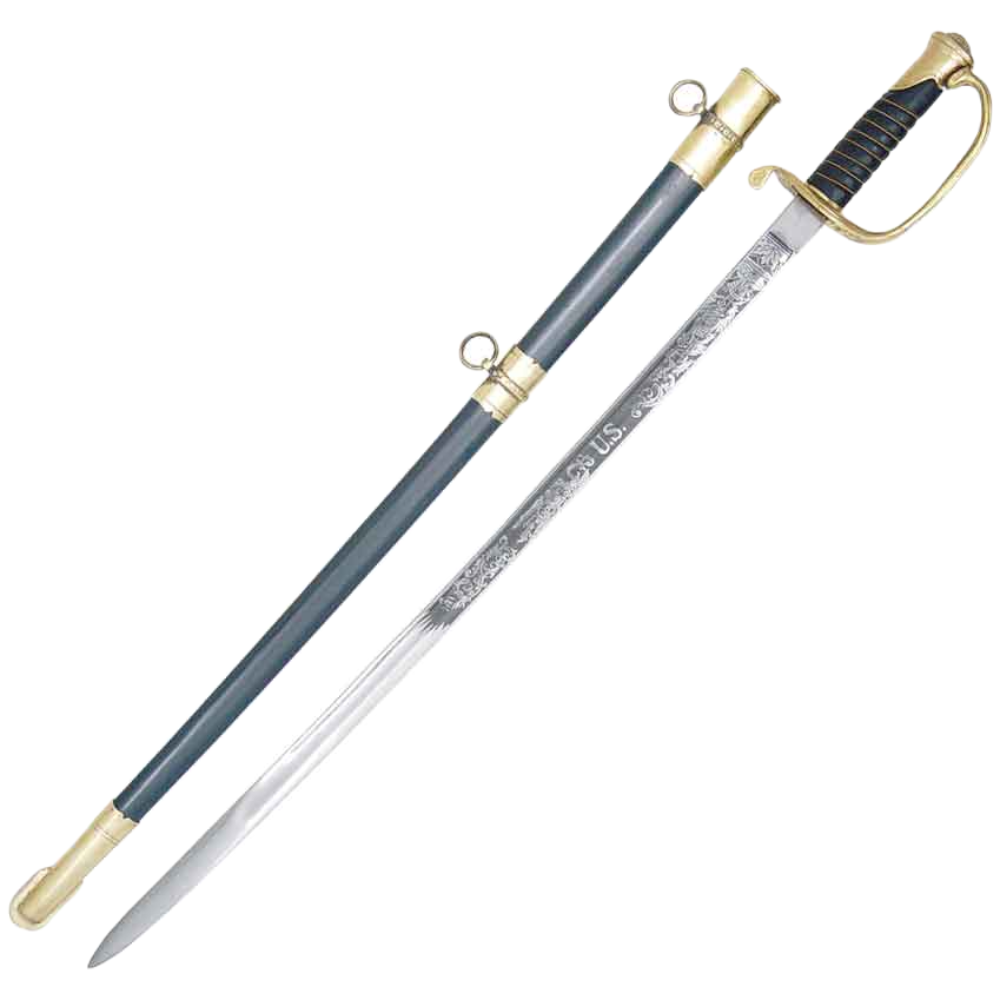
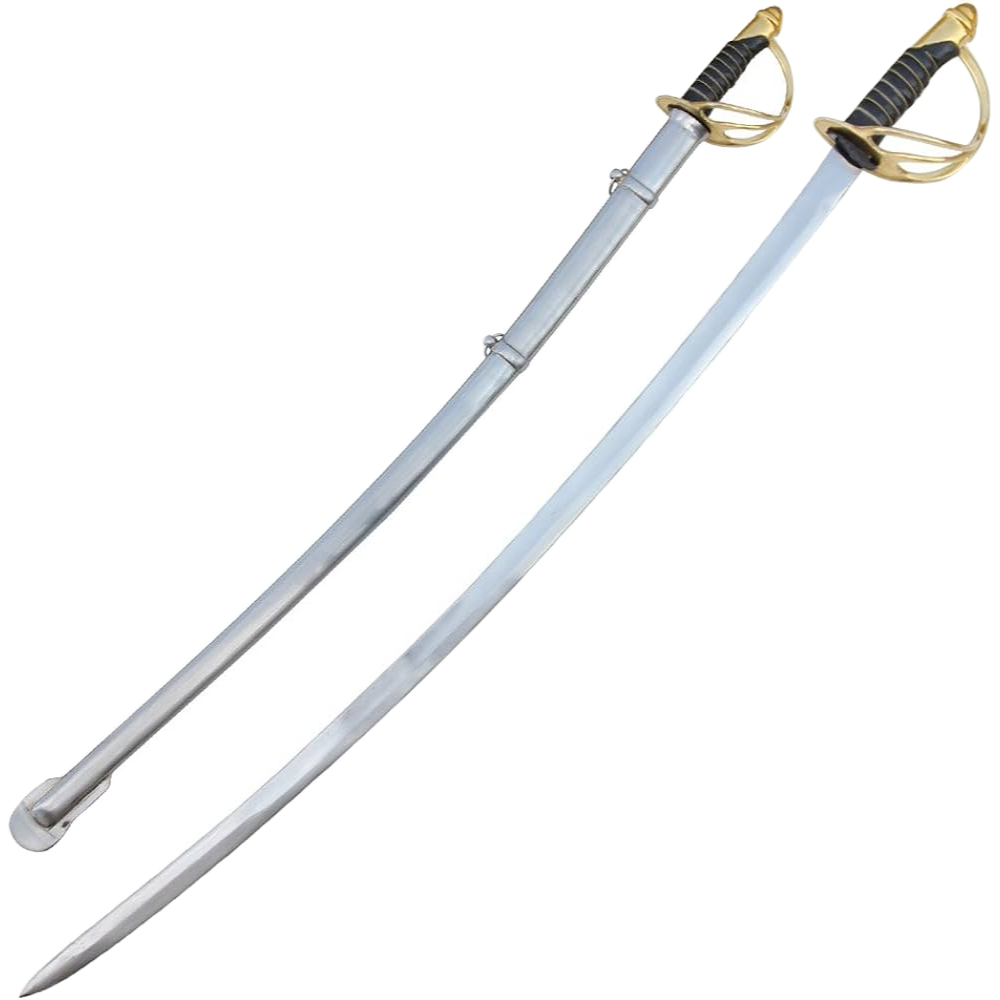
The sword was a symbol of authority, honor, and combat prowess during the Civil War era, especially among officers and cavalrymen. Here’s an overview of its significance and use:
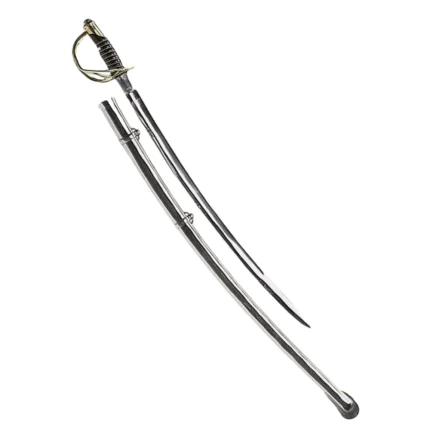
Cavalry Swords: Cavalry units on both sides of the conflict were equipped with swords as their primary melee weapon. These swords were typically curved sabers, designed for slashing and thrusting from horseback. Cavalrymen received extensive training in swordsmanship, learning to wield their weapons effectively in battle. The sight of cavalry charging with drawn sabers was both awe-inspiring and terrifying, symbolizing the power and mobility of mounted troops on the battlefield.
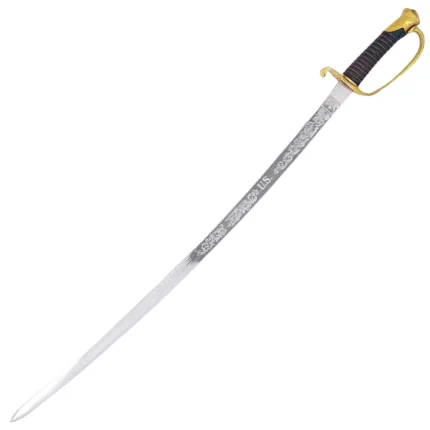
Officer Swords: Officers of all ranks carried swords as part of their dress uniform and as symbols of their authority. These swords varied in design, ranging from ornate ceremonial swords carried on parade to more practical weapons used in combat. Officer swords often featured decorative elements such as engraved blades, gilded hilts, and intricate patterns on the scabbard. While officers primarily relied on firearms in battle, they also trained in swordsmanship and were expected to lead by example on the field of combat.
Infantry Swords: While infantry soldiers primarily relied on firearms such as muskets and rifles, some carried swords as sidearms, especially early in the war. These swords were typically straight-bladed and designed for thrusting rather than slashing. However, as the war progressed and combat tactics evolved, swords became less practical for infantry use, and they were gradually phased out in favor of more versatile weapons.
Symbolism and Prestige: Beyond their practical utility in combat, swords carried symbolic weight on the battlefield. They were symbols of honor, courage, and martial prowess, and the possession of a sword conferred prestige upon its owner. For officers, carrying a sword was a mark of their status and authority, while for cavalrymen, it was an essential tool of their trade.


Reviews
There are no reviews yet.