
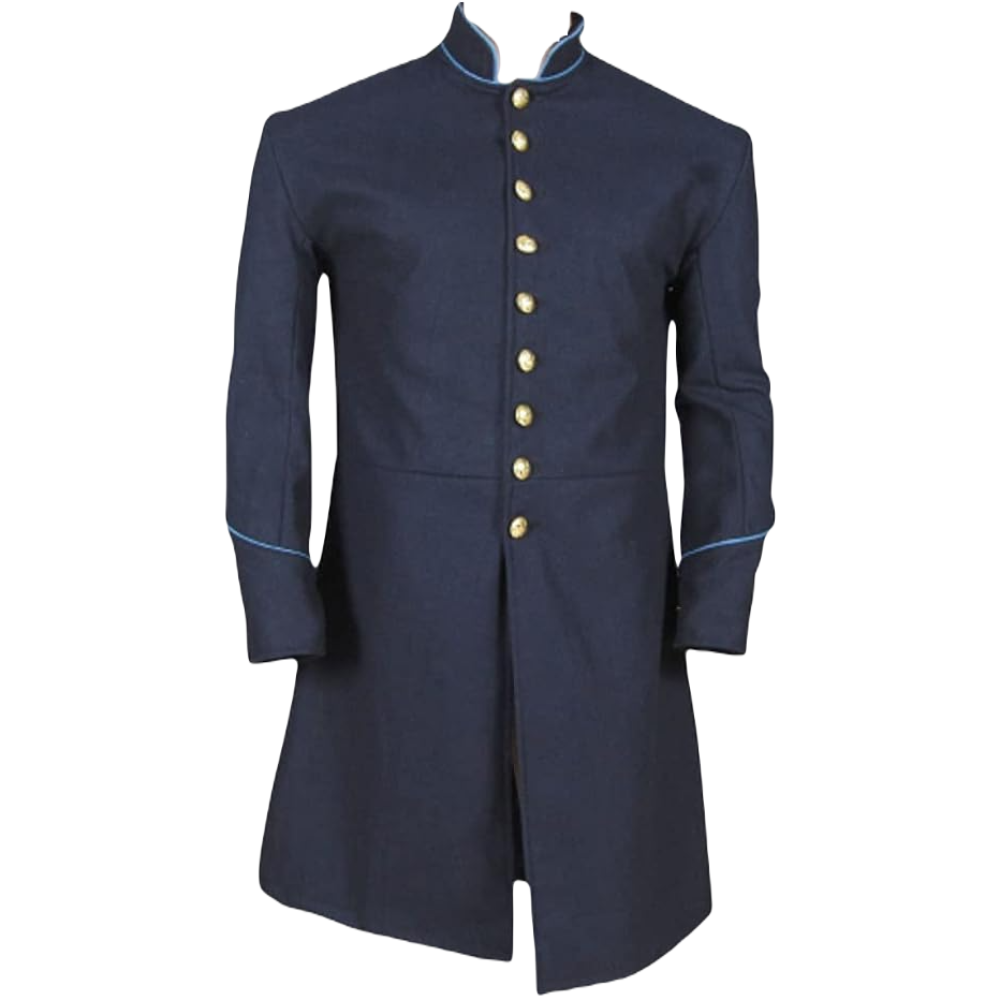
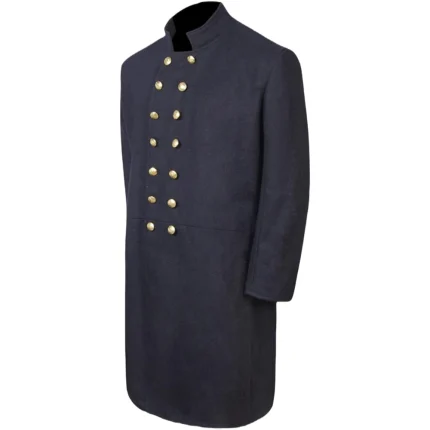
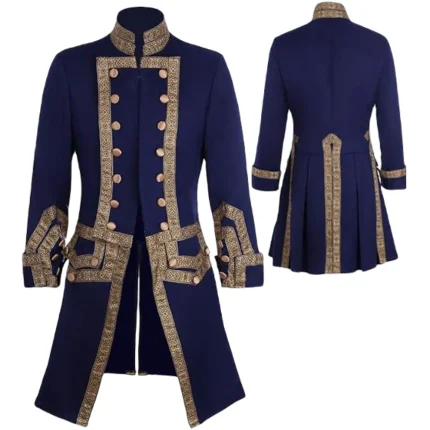
The Civil War uniforms of the United States (1861-1865) were distinct for the Union (Northern states) and the Confederacy (Southern states). The uniforms varied in color, design, and materials due to the differing resources and manufacturing capabilities of the two sides. Here’s an in-depth look at the uniforms worn by soldiers during the American Civil War:
Union (Northern States) Uniforms:
Standard Uniform:
Color: The Union uniforms were primarily dark blue.
Coat: The most common coat was the four-button sack coat for enlisted men and the nine-button frock coat for officers. The frock coat was longer, reaching mid-thigh.
Trousers: Light blue wool trousers were standard, usually made from a durable wool blend.
Headgear: The kepi, a flat-topped, short-brimmed cap, was widely used, along with the Hardee hat, a tall, brimmed hat. Officers often wore more elaborate versions with insignia.
Footwear: Brogans, ankle-high leather boots, were commonly worn. They were sturdy but not always comfortable.
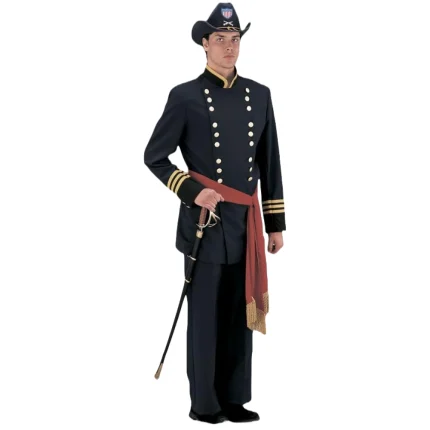
Accouterments: Soldiers carried a cartridge box, cap box, bayonet scabbard, canteen, and haversack. Officers often had a sword and sash.
Branch-Specific Variations:
Infantry: Blue uniforms with branch-specific piping and insignia.
Cavalry: Yellow piping and trim, indicating their branch.
Artillery: Red piping and trim were used for artillery units.
Officer Uniforms:
Officers? uniforms were more elaborate with additional insignia, gold braid, and sometimes custom tailoring. They wore shoulder straps or epaulets to denote rank.
Confederacy (Southern States) Uniforms:
Standard Uniform:
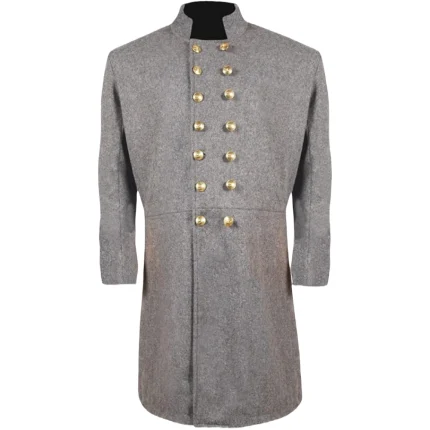
Color: Confederate uniforms varied greatly but were generally gray or butternut (a yellow-brown color due to the dye used).
Coat: Common coats included the frock coat and the shell jacket. The shell jacket was a short, waist-length coat often with colored trim.
Trousers: Gray or butternut trousers were standard, also made from wool or a wool-cotton blend.
Headgear: The kepi and slouch hat were typical. Slouch hats were wide-brimmed and more practical in the field.
Footwear: Confederate soldiers often had to make do with homemade or locally sourced shoes, known as “Jefferson bootees.”
Accouterments: Similar to Union soldiers, Confederate soldiers carried essential gear like cartridge boxes, canteens, and haversacks, though supplies were more inconsistent.
Branch-Specific Variations:
Infantry: Gray with light blue or white trim.
Cavalry: Yellow trim and piping.
Artillery: Red trim and piping.
Officer Uniforms:
Confederate officers had more personalized uniforms, often tailored from better materials if they could afford it. Rank was indicated by stars and bars on the collar and cuffs.
Common Elements:
Material:
Both sides primarily used wool for uniforms due to its durability and availability. However, the quality varied greatly, with the Confederacy often using inferior materials as the war progressed.
Insignia:
Rank insignia differed between the Union and Confederacy. The Union used shoulder straps with bars or leaves, while the Confederacy used stars and bars on the collar.
Supplies and Variations:
The Union had better access to standardized uniforms and supplies due to its industrial base. The Confederacy faced shortages and had to rely on local production and imported goods, leading to greater variation and the use of captured Union gear.
Regimental Distinctions:
Both sides had unique regimental distinctions, including specific badges, insignia, and variations in uniform details.


Reviews
There are no reviews yet.